Introduction
The FitGearLabs Sync 3000 is a popular elliptical trainer among home gym enthusiasts, praised for its smooth stride and durable build. However, one common frustration that owners encounter is the running belt drifting to one side during use, which can cause uneven wear and a less effective workout. This article provides a detailed guide on diagnosing and correcting belt alignment, ensuring your machine stays centered and operates smoothly for years to come.
2. What Causes the Running Belt on the FitGearLabs Sync 3000 to Drift?
A drifting belt is typically caused by one of three primary issues: improper tension, misaligned rear rollers, or uneven wear on the belt edges. On the Sync 3000, the belt tension is adjusted via two hex bolts at the rear of the machine. If the tension is too loose, the belt can slip sideways; too tight, and it may bind or accelerate edge wear. Additionally, the rear rollers may become skewed over time due to repeated impacts or loose frame bolts. Finally, if the belt has developed a noticeable “bow” or has frayed edges, replacement is likely necessary rather than simple alignment.
For an overview of other common operational issues, refer to our guide on FitGearLabs Sync 3000 Pedal Slippage: Common Causes and DIY Fixes.
3. How to Check Running Belt Alignment on the Sync 3000
Before making any adjustments, you must first verify the belt’s current position. Turn off the machine and unplug it. Locate the belt tracking marks—small lines or arrows printed on the belt near the front shroud. On the Sync 3000, these marks are approximately 1 inch from the edge. Manually rotate the pedals through a full revolution while observing the gap between the belt and the front roller. If the gap varies by more than 3 mm (0.12 inches) between left and right sides, the belt is misaligned. A perfectly centered belt will maintain an equal gap on both sides throughout the entire rotation.
4. Step-by-Step Guide to Centering the Sync 3000 Running Belt
Tools Required
- 5mm Allen wrench (hex key)
- 18mm combination wrench
- Phillips head screwdriver
- Measuring tape or ruler
- Grease (white lithium recommended)
Step 1: Loosen the Rear Roller Bolts
Using the 5mm Allen wrench, turn both rear roller adjustment bolts counter-clockwise by ¼ turn each. This reduces tension and allows the belt to move freely.
Step 2: Adjust Tracking
To shift the belt left, tighten the left rear bolt (turn clockwise) by ½ turn, then loosen the right bolt by ½ turn. To shift right, do the opposite. After each adjustment, rotate the pedals through 10 full cycles to reset the belt position.
Step 3: Re-Tension the Belt
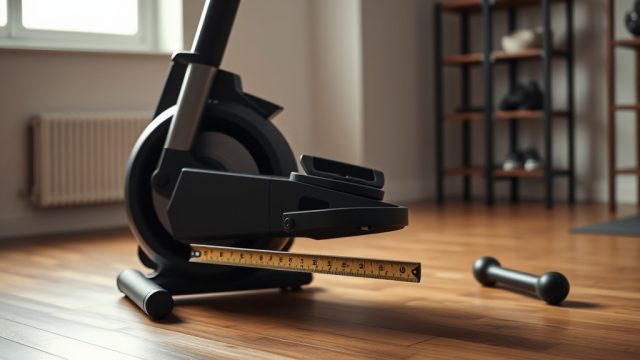
Once the belt is centered, tension both bolts evenly. A properly tensioned belt should allow a 1-inch (2.5 cm) deflection when pressed firmly at the center between the front and rear rollers. Use the measuring tape to confirm.
If you encounter resistance during adjustment, inspect the bolts for rust or debris. For additional guidance on pedal-related issues that may interact with belt alignment, see the FitGearLabs Sync 3000 Pedal Bearing Replacement Guide: Signs of Wear and DIY Steps.
5. When to Replace the Running Belt Instead of Adjusting
Not all drifting can be corrected by adjustments. If the belt shows any of the following signs, replacement is the only reliable solution:
- Visible fraying or tears on the edges
- Uneven thickness across the width (check with calipers)
- Belt permanently “crowned” or bowed in the middle
- Excessive noise (squeaking or rubbing) that persists after alignment
| Symptom | Severity | Recommended Action | Estimated Cost (AUD) |
|---|---|---|---|
| Belt drifts left/right slightly | Low | Adjust tension/tracking | $0 |
| Belt drifts with noise | Moderate | Inspect rollers and lubricate | $5–$15 (lubricant) |
| Visible edge fraying | High | Replace belt | $85–$120 (OEM part) |
| Corded/pitted belt surface | Severe | Replace belt and check rollers | $120–$180 (parts + labor if outsourced) |
6. Are There Preventive Measures to Stop Belt Drifting on the Sync 3000?
Yes. Three key habits can significantly reduce belt drift frequency. First, ensure even weight distribution during use—avoid leaning to one side for extended periods. Second, lubricate the running belt every 3 months with a silicone-based lubricant. Apply 2–3 drops under the belt at the center, then run the machine for 5 minutes at low speed. Third, check the rear roller alignment bolts monthly; a loose bolt is the most common precursor to drift. For owners who notice belt drift coinciding with pedal strap loosening, the FitGearLabs Sync 3000 Pedal Strap Adjustment: Customizing Fit for Comfort and Performance guide offers complementary tips for maintaining overall machine balance.
7. What Owners Say
Feedback from Sync 3000 owners in Australian fitness forums highlights a common pattern. Many users report that belt drifting appears after roughly 6–8 months of regular use, often linked to the rear bolts loosening over time. “I was about to call a repair service until I saw a video about tightening the rear bolts,” one owner in Melbourne said. “Now I check them every month.” Others note that the belt can be sensitive to floor leveling; placing the machine on an uneven surface (even by 2–3 mm) amplifies side-to-side movement. Owners who persistently adjust and still face issues often find that replacing the belt with an OEM part resolves the problem permanently. One reviewer in Sydney mentioned, “I replaced the belt myself following the manual, and it’s been perfect for a year now.” However, some caution that the rear bolts can strip if overtightened—always use a torque wrench set to 80 inch-pounds (9 Nm) if available.
For those dealing with incline motor issues that may indirectly affect belt tension, our guide on FitGearLabs Sync 3000 Incline Motor Not Working: Troubleshooting and Fixes provides relevant insights.
8. Frequently Asked Questions
Q1: How often should I check the running belt alignment on my Sync 3000?
Every 2–3 months, or immediately after you notice the belt drifting during use. Regular checks can prevent more serious damage to the rollers and frame.
Q2: Can I use any lubricant on the Sync 3000 belt?
Only use silicone-based lubricants designed for fitness equipment. Petroleum-based products can degrade the belt material over time and void the warranty.
Q3: Will an off-center belt damage the elliptical?
Yes. A drifting belt can cause uneven wear on the front and rear rollers, leading to noise, vibration, and eventually requiring costly roller or frame replacement.
Q4: My belt is centered but still makes noise—what else could it be?
Check the pedal bearings and the console battery. Worn bearings can cause a grinding noise that mimics belt issues. See the FitGearLabs Sync 3000 Pedal Bearing Replacement Guide: Signs of Wear and DIY Steps for diagnostics.
Q5: Do I need to replace the console battery if the belt drifts?
No. The console battery (CR2032) affects display and electronic functions only. For belt drift, follow the mechanical alignment steps above. Our FitGearLabs Sync 3000 Console Battery Replacement Guide: Signs of Drain and DIY Steps covers electronic issues separately.
Q6: Is there a permanent fix for belt drift without replacing anything?
In some cases, installing a belt tracking kit (available from FitGearLabs for $35 AUD) can provide a more stable alignment. However, if the belt is already damaged, replacement is the only permanent solution.