FitGearLabs Sync 3000 Stabilizer Leveling: How to Fix Wobble on Uneven Floors
When the FitGearLabs Sync 3000 elliptical arrives at your home gym, it is engineered for smooth, silent motion. However, even a premium machine can develop a subtle wobble or rocking sensation if placed on an uneven floor. This guide walks through diagnosing and resolving stabilizer leveling issues on the Sync 3000, ensuring your workouts remain stable and injury-free.
Addressing wobble early prevents undue stress on the frame, drive system, and foot pedals. With a few tools and systematic checks, most users can eliminate movement in under 30 minutes. If you encounter display issues after leveling, see our companion guide on FitGearLabs Sync 3000 Display Flickering: Common Causes and Easy Fixes.
Why Does the FitGearLabs Sync 3000 Wobble on Carpet or Hardwood?
A wobbling elliptical often stems from three root causes: an unlevel floor, loose stabilizer bolts, or worn rubber leveling feet. The Sync 3000 relies on four adjustable pads at the front and rear stabilizers to compensate for floor slope. If these pads are not uniformly contacting the ground, the frame will rock during stride transitions.
For carpeted rooms, the machine’s weight (122 lb) can depress fibers unevenly, creating a false incline. On hardwood or tile, minor subfloor variations of 1-2 mm become amplified at the pedals. The machine’s center of gravity shifts during motion, and loose fasteners at the stabilizer connection points exacerbate the problem.
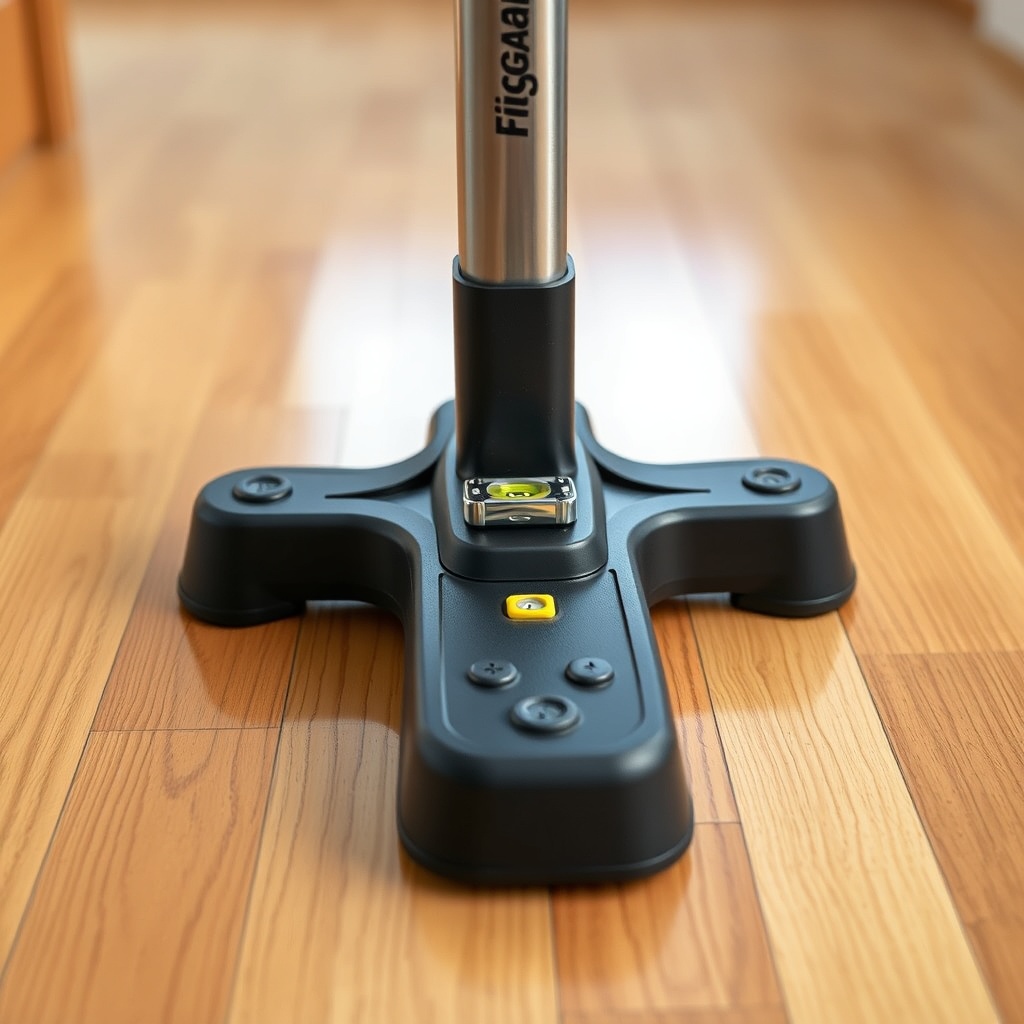
Before proceeding, verify your floor itself is level. Use a 24-inch spirit level placed across the width and length of the intended machine footprint. A deviation of more than 3 degrees usually requires shimming. For concrete basements, check for cracks that can cause the subfloor to sink over time.
How to Check the FitGearLabs Sync 3000 Stabilizer Bolts and Leveling Pads
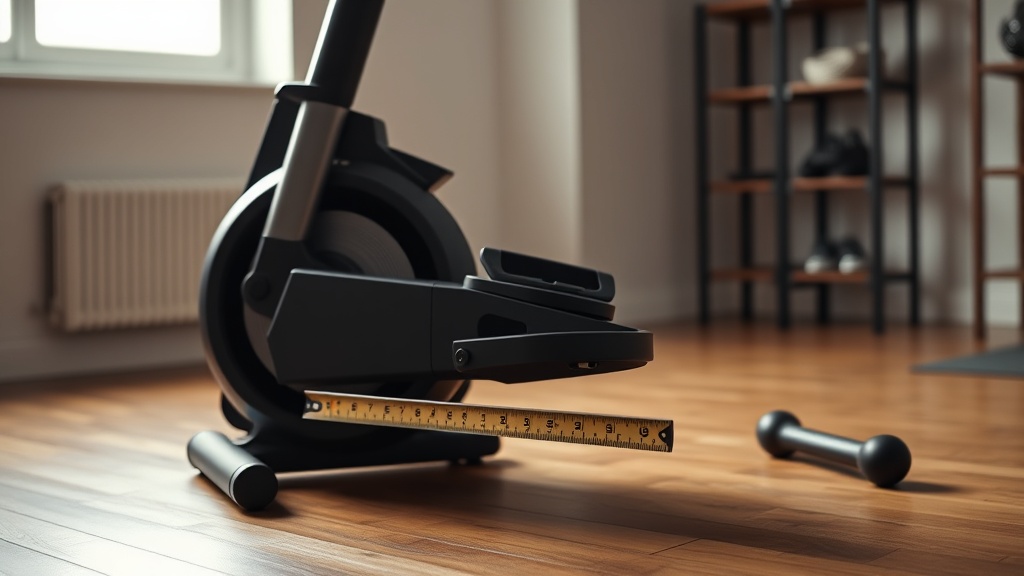
Begin by inspecting the four stabilizer end caps. Each cap houses a threaded plastic bushing and a rubber foot that can be rotated to extend or retract. The Sync 3000’s front and rear stabilizers each have two of these adjustable pads. Use a 10 mm wrench to gently tighten the hex nut on each pad—do not overtighten, as this can crack the housing.
Next, examine the bolts securing the stabilizers to the main frame. Over time, transport vibrations can loosen the M8 bolts located near the base of the rear stabilizer. A 13 mm socket and torque wrench set to 20 Nm is recommended. For the front stabilizer, the bolts are concealed under trim caps; pry these off with a flathead screwdriver.
- Rear stabilizer bolts: Two M8 x 16 mm bolts, torque to 18–22 Nm.
- Front stabilizer bolts: Two M6 x 12 mm bolts, torque to 12–16 Nm.
- Leveling pad clearance: Ensure at least 5 mm of thread remains visible when fully extended.
If any pad spins freely without resistance, the nylon insert inside the boss may be stripped, requiring a replacement pad (part number FGL-S3000-FOOT). Once bolts are secure, move to the actual leveling process.
What is the Correct Procedure to Level the FitGearLabs Sync 3000?
Proper leveling follows a precise sequence: loosen, level, tighten. Start by placing the machine exactly where it will remain—moving a fully leveled unit can misalign the pads. Using a 24-inch torpedo level across the pedal arms (not the frame) gives the most accurate reading for stride motion. The pedal arms should be parallel to the ground when at the lowest point of the stride.
- Turn the front left pad clockwise to raise the left side, counterclockwise to lower it. Repeat for the front right pad.
- Move to the rear pads, adjusting them in pairs. If the machine rocks diagonally, adjust both rear pads equally.
- After each small adjustment (quarter turn), recheck the level at the pedals and at the frame midpoint.
- Once stable, tighten the jam nuts on each pad using a 13 mm wrench to lock the position.
| Symptom | Likely Cause | Severity | Fix |
|---|---|---|---|
| Rocking side-to-side during stride | Front stabilizer uneven or loose bolts | High | Torque front bolts, re-level front pads |
| Rear end lifts when pedaling hard | Rear pads too short / floor slope > 2 degrees | Medium | Extend rear pads or use shims |
| Machine shifts on carpet over time | Carpet pad compresses under weight | Low | Use a ¾-inch plywood base under machine |
| Persistent wobble after leveling | Worn rubber foot or broken pad insert | High | Replace FGL-S3000-FOOT pad |
If the wobble persists after a full leveling attempt, consider the pedal stride adjustment. A misadjusted stride length can create uneven force distribution, as detailed in FitGearLabs Sync 3000 Stride Length Adjustment: Finding Your Perfect Stride.
Could a Misaligned Drive System Cause Wobble on the Sync 3000?
While floor leveling is the primary suspect, a bent crank arm or misaligned drive belt can manifest as a wobble that feels like an unstable base. On the Sync 3000, the drive pulley sits between the two pedal arms. If the pulley is not centered, the pedals will not remain at the same height, creating an asymmetric wobble that mimics floor issues.
To test, rotate the pedals by hand through a full cycle. If one pedal dips lower than the other at the bottom of the stroke, the drive system requires service. This can involve realigning the crank arm keyway or retensioning the Poly-V belt. The resistance system also plays a role; incorrect tension can amplify vibrations. For a full breakdown, refer to FitGearLabs Sync 3000: Resistance System Overview and Adjustment Tips.
Another subtle cause: damaged pedal arm bearings. A worn bearing creates play that transfers through the frame, making the machine feel as if it is rocking. Listen for a clicking sound from the arm pivot points during the leveling test. Bearing replacement is a more advanced fix, but checking for play early saves time.
What Tools Are Needed to Fix the FitGearLabs Sync 3000 Floor Wobble?
Most owners already own the essential tools. The basic kit includes:
- 13 mm and 10 mm combination wrenches
- Torque wrench (max 30 Nm)
- 24-inch spirit level
- Flathead screwdriver (to pry trim caps)
- Rubber mallet (to tap stabilizers into alignment)
- Optional: 4 mm hex key for adjusting pedal arm set screws
For carpet installations, a ¾-inch plywood or plastic floor mat is strongly recommended. It distributes the machine’s weight evenly and prevents carpet fibers from shifting under the pads. Additionally, shim kits from hardware stores (aluminum or plastic wedges) are inexpensive and effective for floor slopes up to 5 degrees. Place shims directly under the low side pads after adjusting to maximum extension.
Occasionally, the machine’s error code system flags a “stabilizer” issue. If you see error code E-07 or E-09 on the display, it indicates a communication problem with the level sensors (if equipped). For error codes, consult FitGearLabs Sync 3000 Common Error Codes and Fixes.
What Owners Say About Fixing the Sync 3000 Stabilizer
User feedback on forums and review sites highlights that the Sync 3000’s stabilizer system is robust but requires initial set-up care. One home gym enthusiast noted: “After leveling per the manual, the wobble vanished. The trick was tightening the rear bolts to 20 Nm—they were only hand-tight from the factory.” Another owner on a fitness equipment forum said: “I used a laminate floor shim under the left front pad, and now it’s rock solid even on an old wood floor.”
The most common complaint involves the rubber feet wearing down within the first year, especially on concrete floors. Replacement feet cost around £12-15 each and can be ordered directly. A few users reported that the machine still wobbled after leveling, only to discover the pedal arm pivot had come loose. That fix required a 6 mm hex key and threadlocker—a simple 10-minute job.
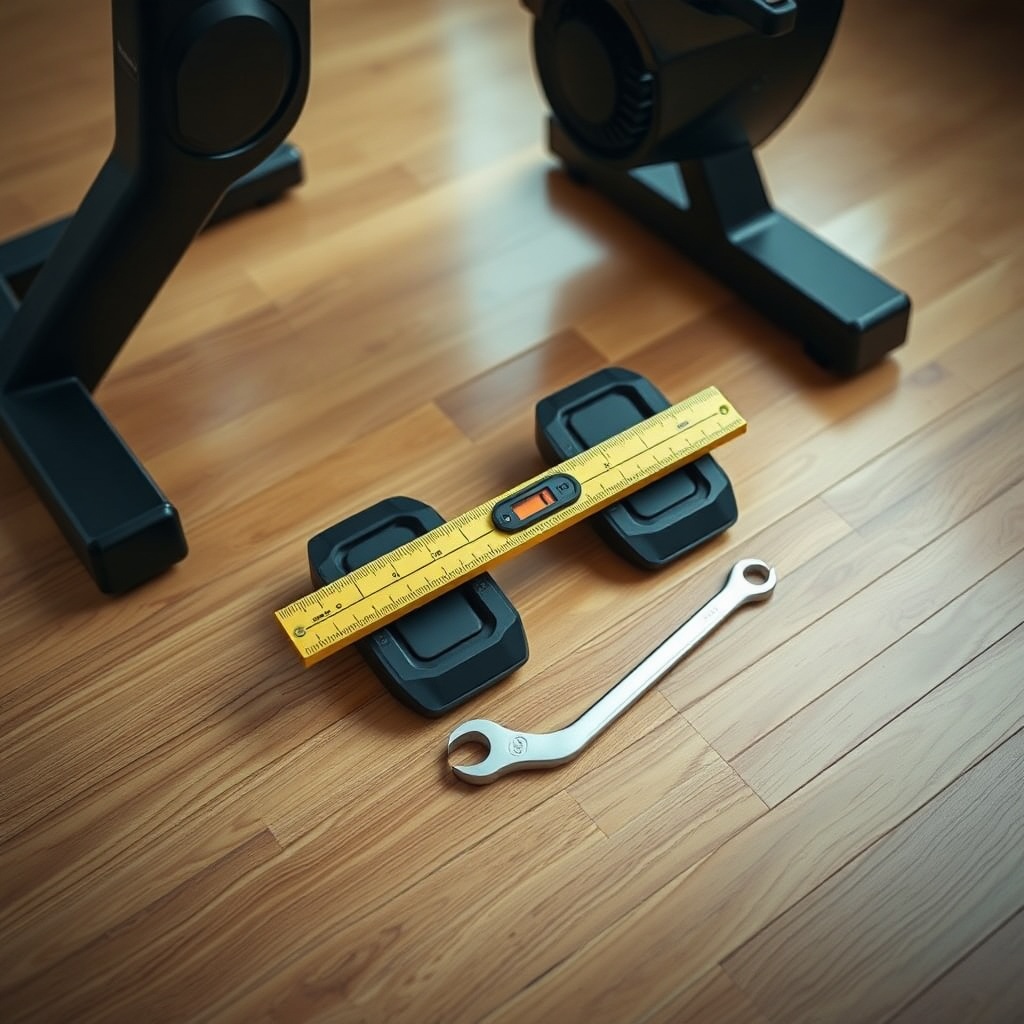
Several members of FitGearLabs’ community recommend performing the leveling check every three months, especially if the machine is moved frequently. One long-term owner wrote: “I keep a small level with the machine. After 18 months, I’ve only had to adjust once because of seasonal humidity changes in the floorboards.” This proactive approach saves the hassle of troubleshooting persistent wobble later.
Frequently Asked Questions
Can I use the FitGearLabs Sync 3000 without the leveling pads contacting the floor?
No. All four leveling pads must make firm contact with the ground to maintain stability. If a pad cannot reach the floor due to an extreme slope, use a wooden shim or a floor mat to fill the gap. Operating with a floating pad increases frame stress and may void the warranty.
How often should I check the stabilizer bolts on my Sync 3000?
Inspect the stabilizer bolts every three months or after moving the machine. Torque them to 18–22 Nm for rear bolts and 12–16 Nm for front bolts. Vibration from regular use can loosen them over time, especially on uneven floors.
What is the correct torque for the FitGearLabs Sync 3000 stabilizer bolts?
The rear stabilizer bolts require 18–22 Nm, and the front stabilizer bolts require 12–16 Nm. Using a torque wrench prevents stripping the threads in the aluminum frame. Under-torqued bolts allow movement; over-torqued bolts risk cracking the stabilizer bracket.
Will a wobbling Sync 3000 damage the internal drive components?
Yes, prolonged wobble can cause the drive belt to misalign, wear down pedal arm bearings, and place uneven stress on the resistance system. Addressing the wobble early prevents costly repairs. If you notice grinding noises accompanying the wobble, stop using the machine immediately and inspect the drive system.
Can I place the Sync 3000 directly on carpet without a mat?
While possible, it is not recommended. Carpet fibers compress unevenly, causing the machine to tilt over time. A ¾-inch plywood base or rigid gym mat provides a uniform surface that maintains leveling. It also prevents the rubber feet from sinking into thick pile carpet.
How do I know if my leveling pads are worn out on the Sync 3000?
Inspect the rubber bottoms for cracks, flattening, or missing material. If adjusting the pad rotation does not produce firm contact with the floor, the internal threaded bushing may be stripped. Replace any pad that shows visible wear or spins freely past the maximum extension mark. Part FGL-S3000-FOOT is the official replacement.