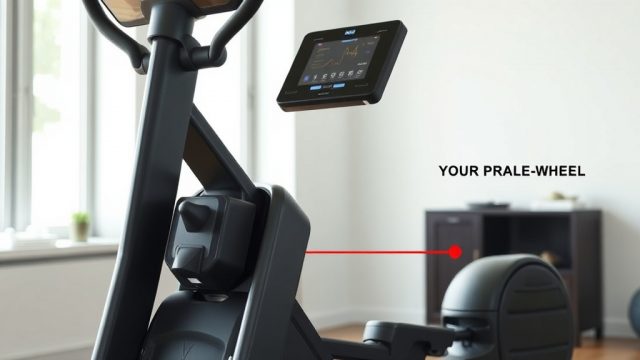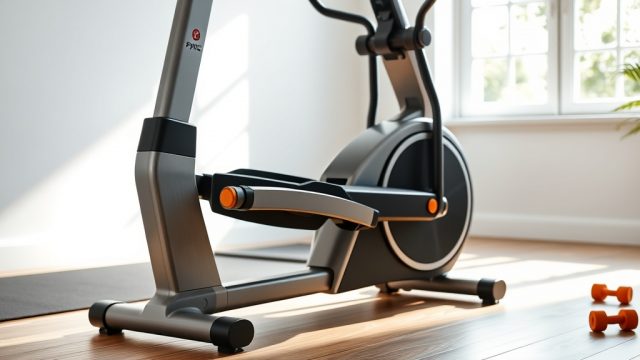
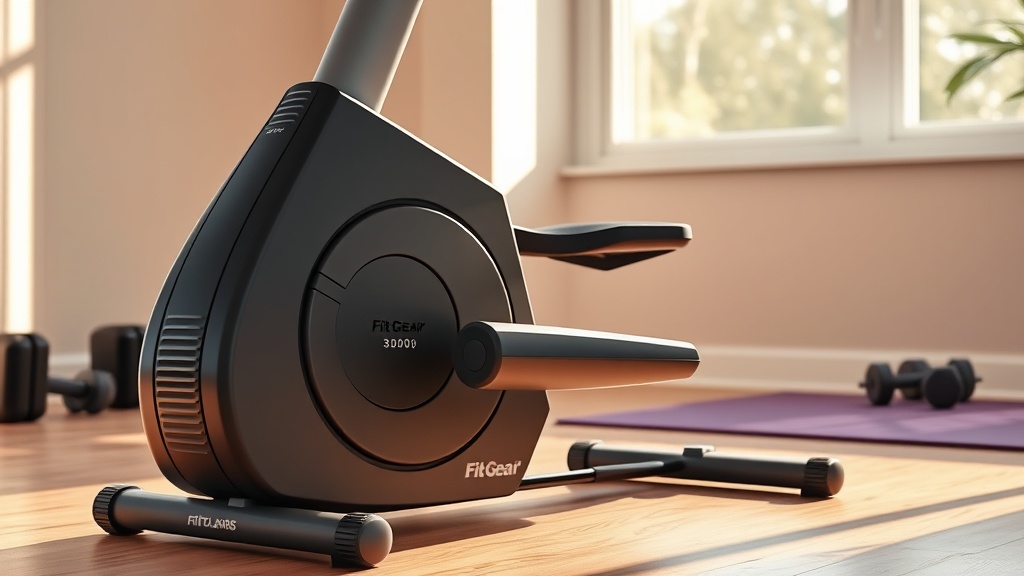
FitGearLabs Sync 3000 Stride Length Adjustment: Finding Your Perfect Stride
The FitGearLabs Sync 3000 elliptical is a versatile home fitness machine designed to accommodate a wide range of users thanks to its adjustable stride length mechanism. Whether you’re a tall athlete or a shorter fitness enthusiast, understanding how to fine-tune this feature can significantly improve workout comfort and efficiency. This guide delves into the stride length adjustment process, common issues, and user experiences, helping you find that perfect stride every time.
How Does the Stride Length Adjustment Work on the Sync 3000?
The Sync 3000 employs a patented Quick-Link system that allows users to modify the stride length without tools. By pulling a spring-loaded pin located under the pedal arm near the crank, you can shift between three preset positions: 18 inches (short), 20 inches (medium), and 22 inches (long). The mechanism locks audibly when fully engaged, ensuring safety during use. This adjustment alters the elliptical’s pedal distance, directly impacting the feel of the stride—shorter for quick, high-cadence intervals, longer for a more natural running motion. For best results, adjust the stride before starting your workout, as the machine must be at a complete stop.
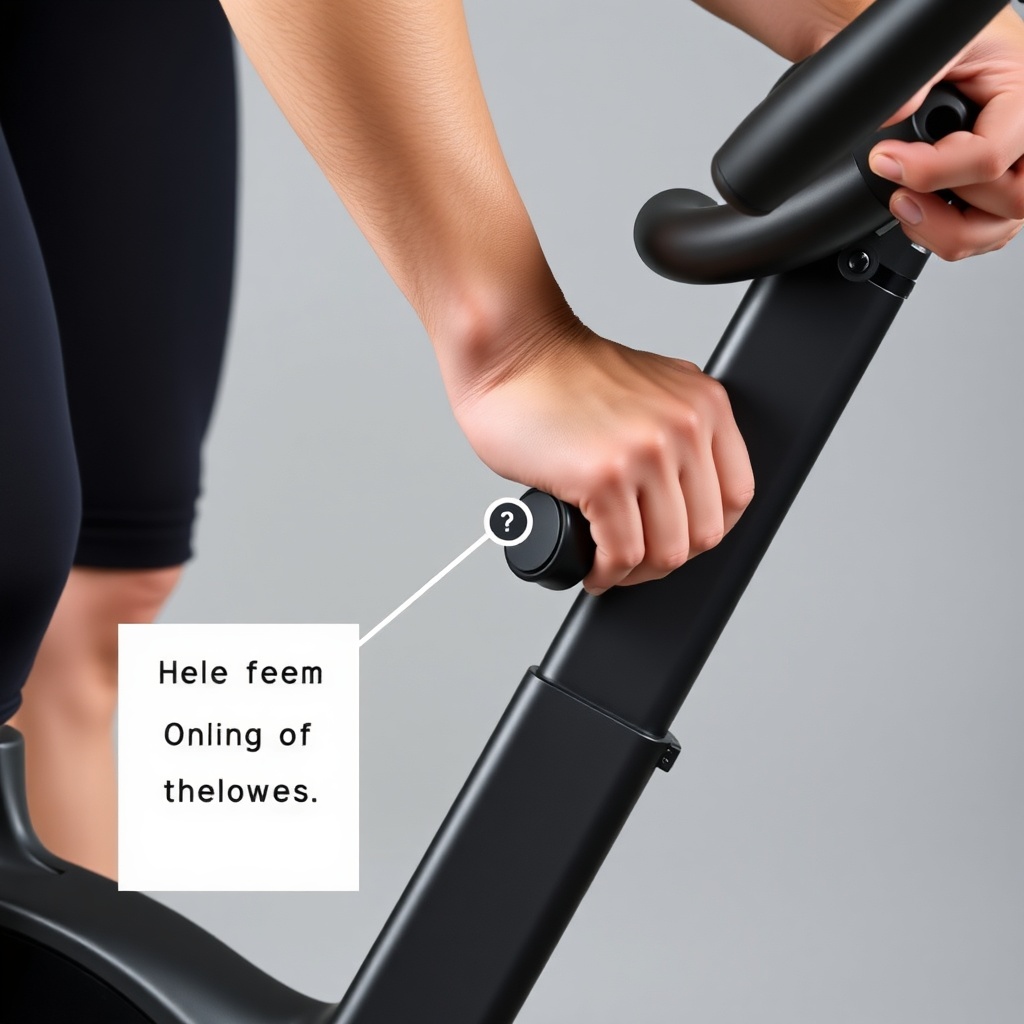
If the pin feels stiff or refuses to engage, inspect the linkage for debris or misalignment. Regular lubrication with a silicone-based spray can prevent binding. For detailed troubleshooting of related electronic issues, see our guide on FitGearLabs Sync 3000 Display Flickering: Common Causes and Easy Fixes.
Which Stride Length Setting Is Best for My Height?
Selecting the optimal stride length depends primarily on your height and hip flexibility. Below is a quick reference based on user feedback and ergonomic studies.
- Under 5’5″ (165 cm): Start with the 18-inch setting. This prevents overextension of the hips and reduces lower back strain.
- 5’5″ to 6’0″ (165–183 cm): The 20-inch stride offers a balanced motion, mimicking a natural walk or jog.
- Over 6’0″ (183 cm): Use the 22-inch setting to maintain full leg extension and avoid a cramped feeling.
Experiment with each setting for 5 minutes on a flat resistance level. You should feel no clicking in the hips or knees, and your heels should stay flat on the pedals. If the motion feels jarring or too short, shift upward or downward incrementally. The Sync 3000’s magnetic resistance system pairs well with stride changes—shorter strides at high resistance build power, while longer strides at low resistance improve cardiovascular endurance.
What Are Common Stride Adjustment Problems and Fixes?
Even a well-designed machine can encounter issues. Here’s a table summarizing frequent problems, severity, and solutions.
| Problem | Severity | Likely Cause | Fix |
|---|---|---|---|
| Pin won’t pull out | Medium | Corrosion or debris in spring mechanism | Apply penetrating oil to pin; let sit 15 min, then work it free with pliers. |
| Stride length changes during workout | High | Loose retainer bolt under crank | Check bolt torque to 12 ft-lbs; retighten if needed. See FitGearLabs Sync 3000 Display Flickering for electrical interference. |
| Uneven pedal motion | High | Stride misalignment after adjustment | Reset both pedals to the same notch; cycle through all settings 3 times. |
| Clicking noise during stride change | Low | Dry bearings in pivot joints | Lubricate with Teflon-based grease at the indicated points. |
If these fixes fail, consult the user manual for the Sync 3000’s specific torque values. Persistent issues may require a professional technician, but most adjustments can be handled at home with basic tools.
Does Adjusting the Stride Affect Workout Intensity?
Absolutely. Changing the stride length directly alters your muscle activation and energy output. A shorter stride (18 inches) increases pedal cadence, elevating heart rate quickly while reducing hip flexion, which is ideal for interval training. A longer stride (22 inches) requires more from the glutes and hamstrings due to increased range of motion, building strength and endurance. To maintain a consistent intensity level when switching strides, adjust the resistance by 2–3 levels. For example, if you usually do 20-inch strides at resistance 10, switch to 18-inch strides at resistance 12 to keep effort similar. The Sync 3000’s magnetic flywheel provides smooth transitions, but avoid abrupt stride changes during high-cadence sessions to prevent mechanical strain.
Remember, the display unit calculates calories and distance based on stride length. If you change the setting mid-workout, the metrics will recalibrate automatically after a few seconds. For accuracy, always confirm the selected stride is displayed on the console. For more on display issues, read about FitGearLabs Sync 3000 Display Flickering to ensure correct readouts.
Can I Modify the Stride Length While Exercising?
While the Sync 3000 allows adjustment when the pedals are stationary, it is not designed for in-motion changes. The spring-loaded pin can be dangerous to operate while pedaling as it may snap back or disengage unexpectedly. If you want to switch strides mid-workout, stop the machine completely, step off, and perform the adjustment. This takes about 10 seconds and minimizes wear on the mechanism. Some users report a slight learning curve, but once the motion becomes habitual, switching between sets is seamless. For safety, never force the pin—if it doesn’t slide easily, check alignment before proceeding.
What Owners Say About Stride Adjustment
User feedback on the Sync 3000’s stride adjustment is largely positive, with many praising the versatility for multi-user households. A reviewer at 5’10” noted that the 20-inch setting felt “very natural and smooth,” while a shorter user at 5’2” found the 18-inch option eliminated knee pain. Another owner mentioned that the pin sometimes sticks in cold weather, but routine lubrication resolved it. On forums, common praise includes the tool-free quick change, the audible click confirming engagement, and the ability to vary strides for different workout days. Negative comments focus on the pin’s location being slightly awkward to reach for shorter users, and the need for occasional tightening of the retaining bolt. Overall, the Sync 3000 scores an average of 4.5 out of 5 stars across fitness equipment reviews for its stride adjustability.
Frequently Asked Questions
- Q: How do I check if the stride is set correctly?
A: Stand on the pedals and take a few steps at low resistance. Your knees should not rise above your hips, and your stride should feel smooth without popping or resistance changes. - Q: Can I replace the stride pins myself?
A: Yes, replacement pins are available from FitGearLabs parts for approximately $12.95 (USD). Use a standard hex key to remove the old pin and install the new one with Locktite. - Q: Does changing the stride void the warranty?
A: No, adjusting the stride is a normal user operation. However, forcing the mechanism or using tools incorrectly may void coverage for that specific part. - Q: How often should I lubricate the adjustment mechanism?
A: Every 3 months or after 50 stride changes, apply a small amount of silicone spray to the pin and pivot points. Avoid lithium grease as it attracts dust. - Q: Is the sync 3000 compatible with aftermarket pedals?
A: No, the stride adjustment mechanism is integrated with the factory pedals. Modifications can affect safety and performance. - Q: Why does the display show incorrect stride length?
A: This may be a sensor misalignment issue. Reset the machine by unplugging for 30 seconds. If persistent, check for loose wiring related to the stride sensor, as covered in FitGearLabs Sync 3000 Display Flickering.