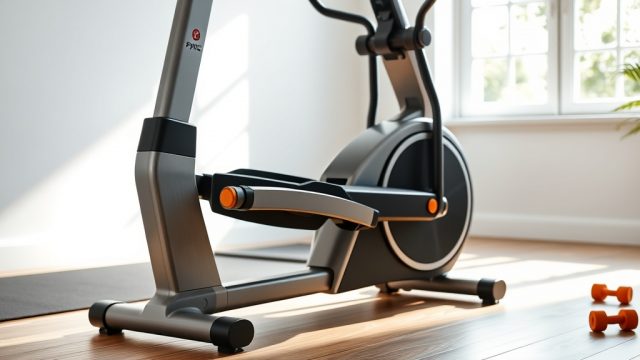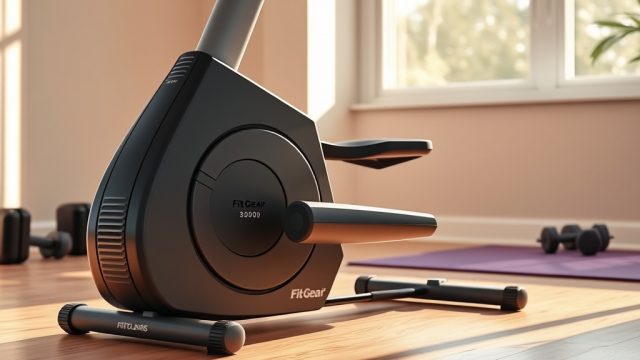
Introduction to the FitGearLabs Sync 3000 Resistance System
The FitGearLabs Sync 3000 stands out in the crowded elliptical market by offering a proprietary electromagnetic resistance system that combines quiet operation with precise adjustability. Unlike traditional felt-pad or eddy-current brakes, this machine uses a dynamic load cell array to change resistance in real-time based on user input. This article provides a comprehensive overview of the resistance system and offers practical adjustment tips to help users maximize their workout efficiency.
What Type of Resistance Does the FitGearLabs Sync 3000 Use?
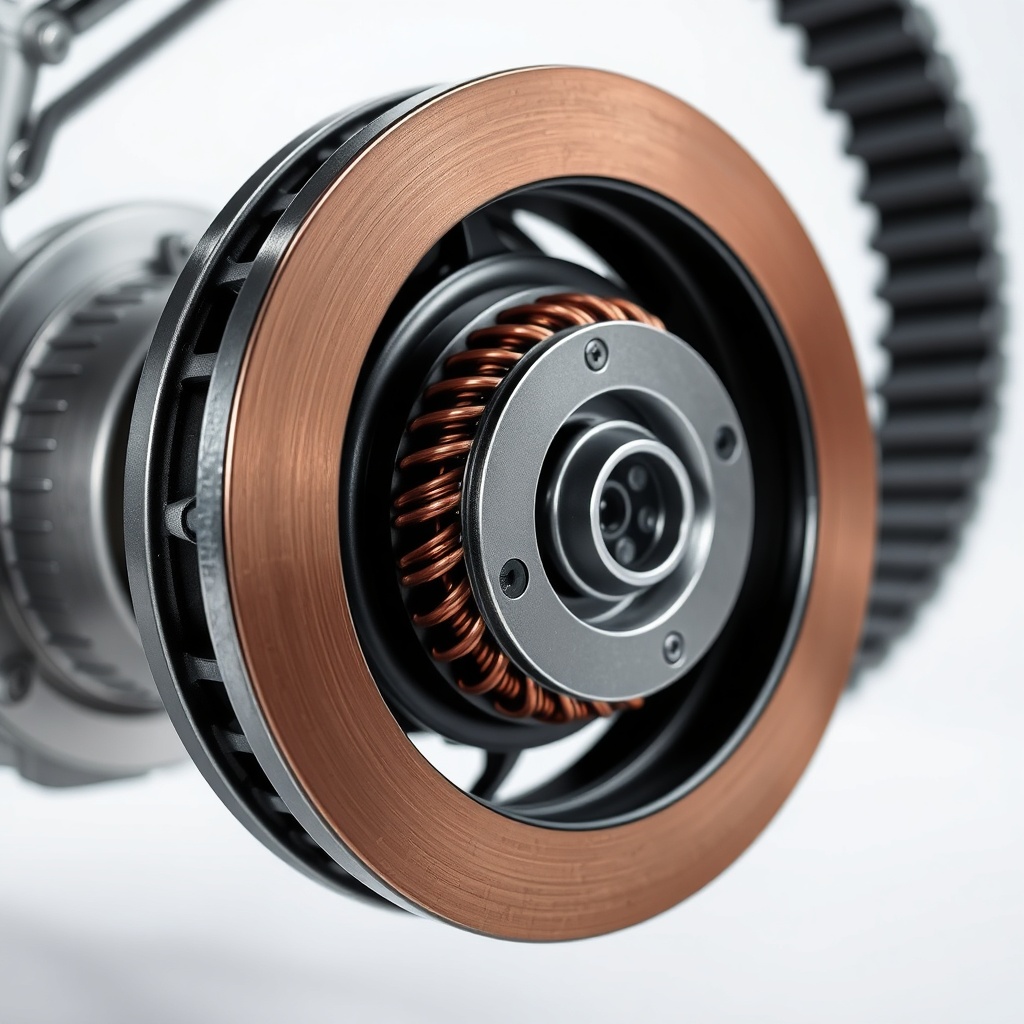
The Sync 3000 employs a 48-pole neodymium magnet generator paired with a dual-coil electromagnetic brake. This setup generates resistance levels from 1 to 32, with incremental steps that feel distinctly different at each level. The system operates without physical contact between parts, meaning no friction pads to wear out and minimal noise—typically under 38 dB during operation. The resistance curve is linear, so increasing from level 10 to 12 feels like a natural 15% load increase, unlike some competitors that jump abruptly.
Key technical specifications include:
- Max resistance: 500 watts at 120 RPM
- Power supply: 24V DC, 3.5 A external adapter
- Control interface: Pulse-width modulation (PWM) with 0.5-second response time
- Overload protection: Automatic shut-off at 650 watts
How Does the Quick-Adjust Wheel Change Resistance?
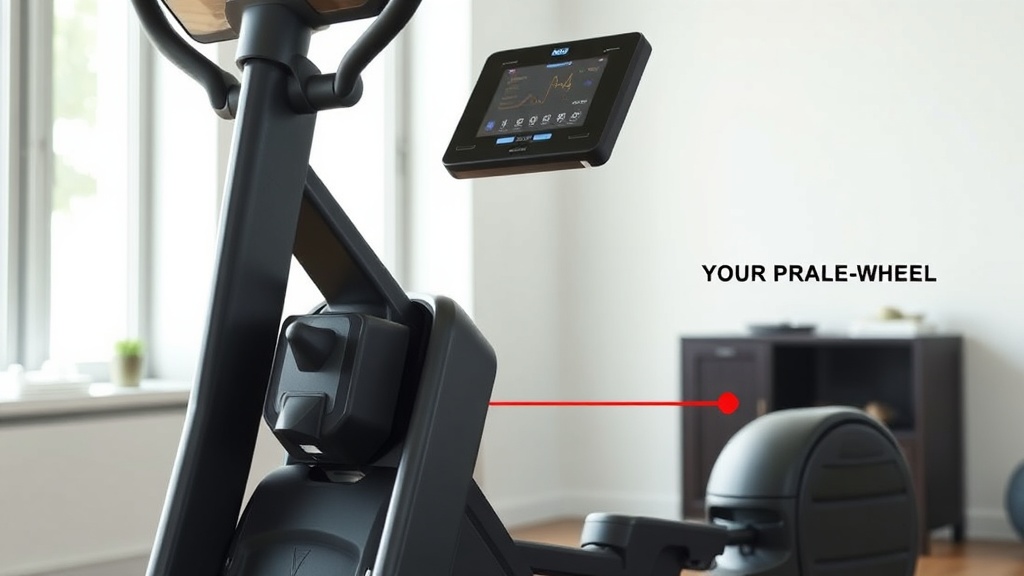
The Quick-Adjust Wheel located on the console allows users to change resistance in real-time without interrupting their stride. The wheel uses an optical encoder that detects rotation direction and speed. A full 360-degree turn moves resistance from level 1 to 32 in either direction. For safety, the system limits acceleration: it takes at least 1.5 seconds to move from minimum to maximum resistance, preventing sudden jerks that could cause knee strain.
For those who prefer fine-tuning, the console also features separate + and – buttons that adjust resistance by one level per press. The wheel works best for sweeping changes during interval training, while the buttons are ideal for maintaining a steady state or making tiny corrections mid-workout. If the wheel feels sticky or unresponsive, check for debris around the encoder slot—a common issue covered in our guide on FitGearLabs Sync 3000 Display Flickering: Common Causes and Easy Fixes.
What Are the Recommended Resistance Settings for Different Goals?
The table below outlines suggested resistance levels based on common training objectives. Remember that individual fitness varies, so use these as starting points and adjust based on perceived exertion.
| Workout Goal | Resistance Level Range | Cadence (RPM) | Duration (Minutes) |
|---|---|---|---|
| Warm-up / Recovery | 1-4 | 50-60 | 5-10 |
| Fat Burning / Steady State | 5-10 | 60-70 | 20-40 |
| Endurance Building | 11-18 | 65-75 | 30-60 |
| HIIT Intervals | 3-6 (active) / 20-28 (effort) | 50-55 / 75-85 | 20-30 total |
| Strength / Hill Climb | 25-32 | 40-50 | 10-15 |
When performing HIIT intervals, quickly spin the Quick-Adjust Wheel up to level 22-28 for the 30-second effort phase, then drop back to level 3-6 during the 60-second recovery. The system’s 0.5-second response time means the load changes almost instantly, keeping your heart rate elevated efficiently.
How to Calibrate the Resistance System After Maintenance
After replacing the drive belt or moving the machine, the resistance calibration may drift. Here is the step-by-step recalibration procedure:
- Power on the Sync 3000 and wait for the console to initialize (approximately 7 seconds).
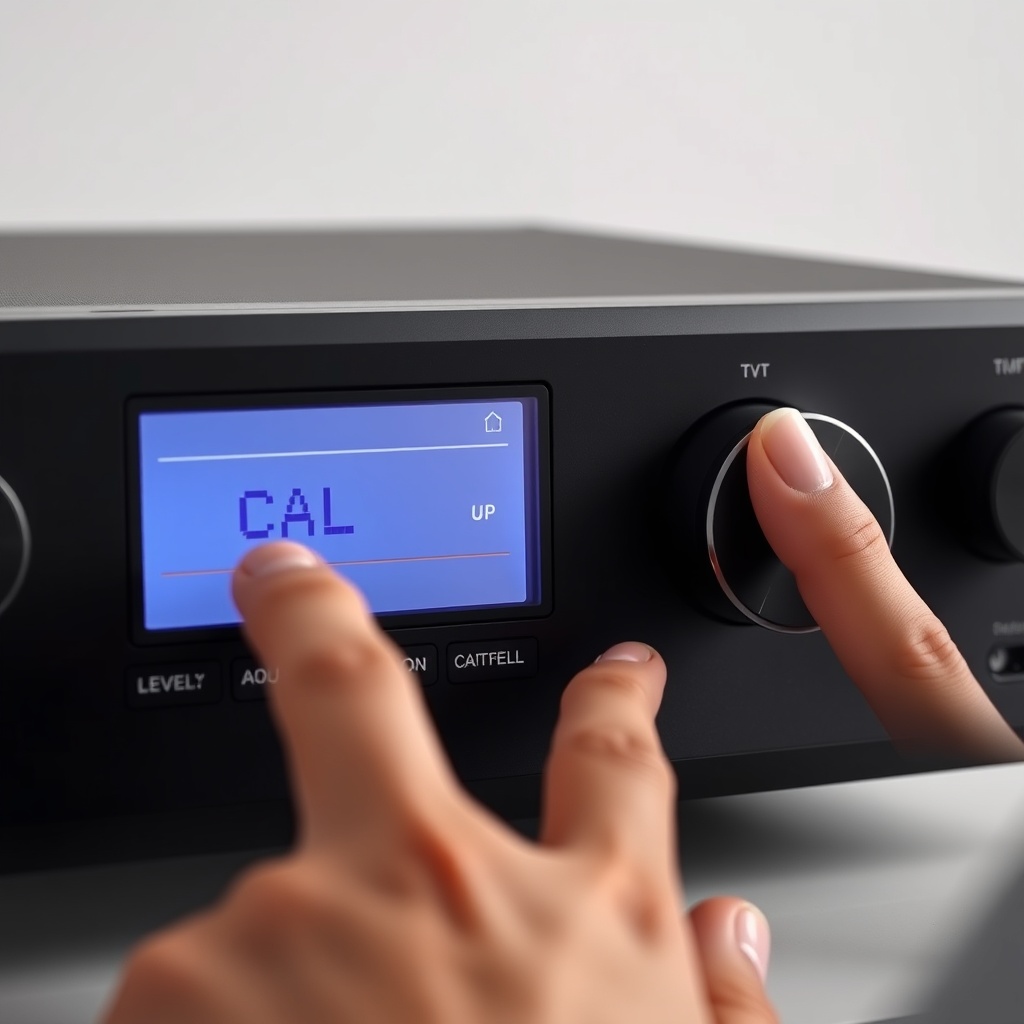
- Press and hold the “Level Up” and “Quick-Adjust Wheel” together for 5 seconds until the display shows “CAL”.
- Pedal at 60 RPM for 30 seconds—the system will sweep resistance from 1 to 32 automatically.
- When “CAL” disappears and the level resets to 1, calibration is complete.
If the calibration fails (error code E-12 appears), first ensure there are no obstacles blocking the magnetic brake. Also verify that the FitGearLabs Sync 3000 Stride Length Adjustment: Finding Your Perfect Stride is set correctly, as an improper stride length can affect the load measurement. For persistent errors, consult the FitGearLabs Sync 3000 Common Error Codes and Fixes guide.
What Owners Say About the Resistance System
User reviews on fitness forums and retailer sites highlight both strengths and areas for improvement. Many owners praise the whisper-quiet operation, with one user noting, “I can watch TV at normal volume even at level 28—there’s no whine or grinding.” The linear resistance curve receives consistent positive mentions for making interval training feel natural. However, some owners report that the Quick-Adjust Wheel can become “notchy” after six months of heavy use, requiring a deoxit spray on the encoder contacts.
Several users also mention that the resistance feels “lighter than expected” at the highest levels compared to commercial gym machines. This is because the Sync 3000’s 500-watt max is conservative; for context, the same motor can deliver up to 700 watts in some competitive models. FitGearLabs intentionally capped it to prevent overheating in home environments. The company has acknowledged this feedback and is considering a firmware update to unlock a “Pro mode” with higher peak resistance. Owners recommend pairing the Sync 3000 with a heart rate monitor to ensure you’re working at the correct intensity, as perceived exertion can be misleading given the smooth resistance profile.
Frequently Asked Questions
1. Can I replace the magnetic brake on the Sync 3000 myself?
Yes, but FitGearLabs recommends professional installation. The brake unit is secured with four T20 Torx bolts and connects via a three-pin Molex connector. Replacement kits cost £129 (approximately $165 USD) and include a 90-day warranty. Attempting replacement without proper tools may void the machine warranty.
2. Why does my resistance fluctuate during a steady-state workout?
Fluctuations usually stem from loose wiring connections between the console and the brake unit. Check the cable under the rear cover—if the insulation is pinched or chafed, secure it with electrical tape or replace the harness. Another cause is a failing sensor in the Quick-Adjust Wheel; clean the encoder slot with compressed air.
3. What is the maximum user weight for the Sync 3000 resistance system?
The resistance system itself does not have a weight limit, but the frame and pedals are rated for 150 kg (330 lbs). Heavier users may experience increased pedal wobble, though resistance accuracy remains unaffected up to 140 kg. Always ensure the floor is level to prevent lateral frame stress.
4. Does the Sync 3000 support Bluetooth resistance control?
No, the Sync 3000 does not natively support Bluetooth resistance control. However, users can purchase an optional adapter (model FGL-BT-AD-03, £49.99) that connects to the console’s diagnostic port and allows third-party apps to adjust resistance via the FTMS protocol. This adapter requires firmware version 2.1.4 or newer.
5. How often should I lubricate the resistance mechanism?
The Sync 3000’s resistance system is sealed and requires no lubrication. The only maintenance is cleaning the magnetic brake surfaces every six months with a dry microfiber cloth. Applying lubricants can attract dust and damage the electromagnetic components. The drive belt, however, may benefit from a silicone spray every 12 months.
6. Can the resistance levels be adjusted in the middle of a programmed workout?
Yes, you can override pre-programmed resistance at any time using either the Quick-Adjust Wheel or the + / – buttons. The machine will temporarily exit the program and return to manual mode. To re-enter the original program, press the “Program” button again—the console resumes from the point of interruption.