Is the Peloton Bike+ Safe for Children to Be Around?
The Peloton Bike+ is a premium stationary bike designed for high-intensity indoor cycling, but its robust construction and exposed moving parts pose real risks when curious children are nearby. From spinning flywheels to heavy frame drops, the machine can become a hazard if not properly childproofed. This guide outlines the most pressing safety concerns for families and offers practical solutions to keep kids secure.
What Are the Main Physical Hazards for Children Near the Bike+?
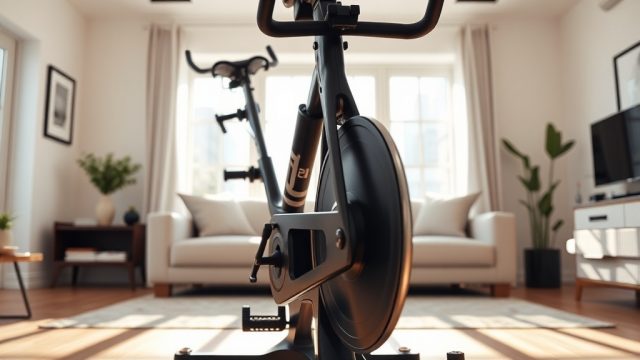
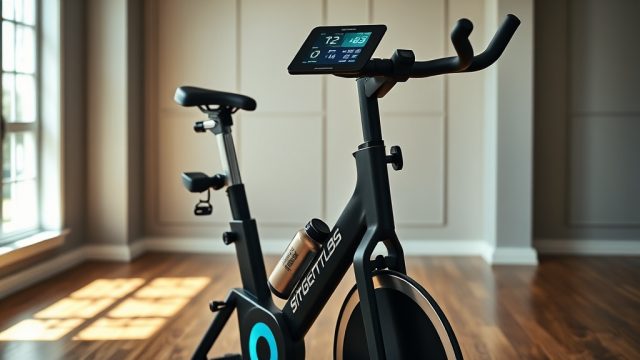
The Peloton Bike+ weighs approximately 140 pounds (63.5 kg) and features a large 24-inch touchscreen, both of which can cause serious injury if tipped over. The bike’s flywheel—which spins at high RPM during a ride—has exposed edges that can catch small fingers or clothing. Additionally, the pedal cages, resistance knob, and seat adjustment levers all have pinch points. A child pulling on the handlebars or attempting to climb the frame can destabilize the unit, leading to tipping. For owners with toddlers, it’s critical to recognize that the bike’s low center of gravity can still be overcome by a child weighing as little as 20 pounds if they hang from the handlebars.
How Can You Prevent a Peloton Bike+ From Falling Over on a Child?
Stabilizer leveling is often overlooked but is essential for preventing involuntary movement. The Peloton Bike+ comes with front and rear stabilizers that must be adjusted to match the floor surface. If the bike wobbles—even slightly—a child’s weight leaning against it can cause a full tip. Refer to our Peloton Bike+ Stabilizer Leveling: How to Fix Wobble on Uneven Floors for detailed instructions on tightening the stabilizer feet and checking for level. Additionally, using wall anchors or a dedicated bike mat with anti-slip backing can further reduce slide risk. For homes with hardwood or tile, the stabilizer feet should be tightened so they compress slightly against the floor, creating a suction effect.
| Feature | Peloton Bike+ | Standard Home Exercise Bike |
|---|---|---|
| Stabilizer feet adjustment | Four independent leveling feet with locknuts | Often only two adjustable feet |
| Pedal cage pinch point | Exposed metal cages with toe clips | Usually enclosed plastic pedals |
| Screen cable management | Power cord behind frame, accessible from floor | Often integrated into handlebars |
| Flywheel guard | Partial plastic cover, exposed disc | Full enclosed flywheel on many models |
| Weight of unit | 140 lbs (63.5 kg), heavy but still topplable | Varies 60–120 lbs |
Do the Pedals and Pedal Cages Pose a Risk to Children?
Yes, the Peloton Bike+ uses standard Look Delta–compatible pedal cages that have sharp metal edges and spring-loaded retention clips. A child’s fingers can easily get caught between the cage and the pedal body, especially when the pedals are spinning. Pedal cage wear over time can create rough edges or loose clips that increase danger. Inspect the cages monthly for cracks or deformed retention mechanisms. If you notice any, follow our Peloton Bike+ Pedal Cage Replacement Guide: Signs of Wear and Installation Steps to swap them out. For families with young kids, consider aftermarket magnetic or fully enclosed pedal cages that eliminate open pinch zones.
What About the Seat Post and Adjustment Mechanisms?
The seat post uses a quick-release lever that can easily be operated by a small child if left unlocked. If a child releases the lever and the seat drops, it can crush fingers or cause a heavy metal post to fall onto a foot. Seat post slippage is a known issue on older units—see our Peloton Bike+ Seat Post Slippage: Causes and Easy Fixes for ways to prevent accidental sliding. Always lock the quick-release lever away from the bike’s path (pointed toward the rear) and ensure the knob is fully tightened. For added safety, install a simple twist-lock clamp that requires a tool to release, making it child-resistant.
How Does Drivetrain and Resistance Mechanism Noise Affect Child Safety?
While drivetrain noise itself isn’t a direct physical risk, it can mask the sounds of a child approaching the bike from behind. A loud squeaking or grinding drivetrain may prevent a parent from hearing a child who is climbing onto the frame or playing near the pedals. Regular maintenance reduces noise and increases awareness. For troubleshooting, check our Peloton Bike+ Drivetrain Noise: Troubleshooting Common Causes and Fixes and Peloton Bike+ Crank Arm Noise: Common Causes and DIY Fixes. A wobbling crank arm can also loosen pedals, creating a projectile risk if a child steps on an unsecured pedal. Similarly, a resistance knob that becomes stiff or unresponsive—covered in Peloton Bike+ Resistance Knob Not Working: Common Problems and DIY Fixes—may require excessive force that could jerk the bike if a child is hanging on the handlebars.
What Owners Say
Real-world users on forums like Reddit and Peloton community boards report mixed experiences. One parent noted, “My three-year-old loves to press the resistance knob when I’m off the bike. It freaked me out when I saw he could turn it freely.” Another owner shared, “We got a baby gate that wraps around the bike’s rear stabilizer. It keeps our curious toddler out but doesn’t block the screen when I ride.” Common complaints include the fear of the heavy screen falling forward if children tug on the handlebars, and the lack of a certified safety lock for the magnetic resistance system. Many owners recommend storing the bike in a locked room or using a heavy-duty cover that discourages climbing. Some have also added felt pads to the pedal cages to reduce pinch hazards.
Frequently Asked Questions
1. Can a child accidentally unlock the seat post on the Peloton Bike+?
Yes, the quick-release lever is easily operated by a small child if left in the unlocked position. Always turn the lever to the rear and ensure it is fully tightened. For extra security, use a zip tie or third-party locking lever.
2. Is the Peloton Bike+ stable enough to prevent tipping if a child climbs on it?
No, it is not designed to withstand a child’s weight climbing on the handlebars or screen. The bike’s center of gravity is low, but a hanging child can still tip it. Use a stabilizer leveling kit and wall anchor for maximum stability.
3. What should I do if my child gets their fingers caught in the pedal cage?
Stay calm, stop the bike by unplugging it, and gently free the fingers. Apply ice and seek medical attention if swelling or discoloration occurs. Replace the pedal cages with child-safe versions immediately afterward.
4. Are there any child-proof covers available for the Peloton Bike+?
Yes, third-party brands offer silicone covers for the touchscreen, magnetic locks for the resistance knob, and full-frame covers that wrap around the bike. These are not Peloton official but are widely available online.
5. Does the Peloton Bike+ have a child lock feature on its display?
The Bike+ touchscreen has a “Kid’s Mode” or lock screen feature in settings, but this only disables touch input—it doesn’t prevent physical access to the bike. For physical access, use a physical barrier or storage room.
6. How can I teach my older child to safely use the Peloton Bike+?
Set clear rules: never touch moving parts, keep fingers away from the flywheel, and always ask before adjusting the seat. Use a pedal cage cover and a locked resistance knob when not supervised. Consider a bike-specific safety gate.