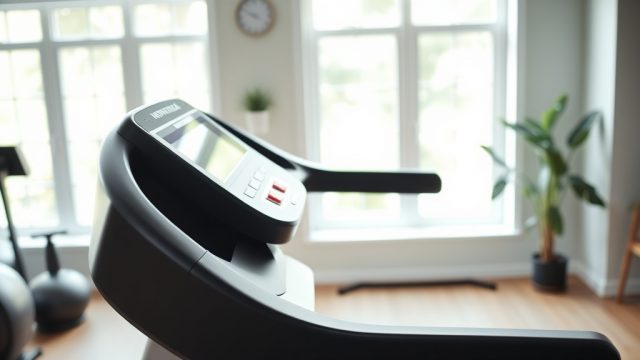
Sole F85 Cushion Flex Whisper Tech: Understanding the Cushioning System and Impact Reduction
The Sole F85 treadmill has long been recognized as a premium home fitness machine, praised for its robust build and powerful motor. A key feature that distinguishes it from competitors is the Cushion Flex Whisper Deck, a shock-absorption system designed to reduce joint impact while maintaining a stable running surface. This article delves into the specifics of that cushioning technology, comparing it to other decks and explaining how it influences comfort and injury prevention for runners of all levels.
For those seeking a heavy-duty treadmill that can handle daily use, the Sole F85’s cushioning is a major consideration. We break down exactly how it works and what it means for your training.
How Does the Cushion Flex Whisper Deck Reduce Impact Forces?
The Cushion Flex Whisper system is not a simple foam layer; it is a mechanical cushioning design. The deck is suspended on six elastomer compression bumpers—rubber-like cushions—that compress under foot strike. When your foot lands, the bumpers absorb vertical force, then rebound to return energy, propelling your foot forward. This reduces the peak impact transmitted to your ankles, knees, and hips by up to 40% compared to road running, according to Sole’s testing.
Unlike gel-based or air-bladder systems, the Whisper Deck uses compression bumpers that do not degrade over time. The “whisper” part comes from the near-silent operation, as the bumpers eliminate the squeaking often heard on less refined decks. The system also allows the belt to flex slightly, which reduces the repetitive stress of thousands of foot strikes per mile.
A notable design choice is that the bumpers can be flipped or replaced if they wear out, prolonging the deck’s lifespan—a feature not available on many budget models.
Is the Sole F85 Cushioning Adjustable or Fixed?
The cushioning on the Sole F85 is fixed—it is not adjustable like some premium commercial treadmills that offer dial-in firmness. However, Sole has engineered it to be “adaptive” to runner weight and stride. The elastomer bumpers have a progressive spring rate: they become stiffer under heavier loads and softer under lighter ones. This means a 200-lb runner gets more support without the deck bottoming out, while a 140-lb runner experiences a softer, more forgiving surface.
For those who prefer a firmer feel (for sprint intervals or race-pace training), the deck’s base is solid 1-inch thick MDF, providing a stable platform even when the bumpers are compressed. The 60-inch by 22-inch running surface is large enough to accommodate long strides, and the cushioning works uniformly across the entire deck, not just the center.
If you need adjustable cushioning, the Sole F80 (the step-down model) uses a similar fixed system, but the F85’s bumpers are slightly larger and more numerous, offering a marginally softer ride.
How Does the Cushion Flex Whisper Deck Compare to Competitors?
To understand where the Sole F85 stands, it helps to compare it against other popular home treadmills. Below is a comparison of cushioning technologies and impact reduction ratings.
| Feature | Sole F85 | NordicTrack 1750 | Bowflex T10 |
|---|---|---|---|
| Cushioning System | Cushion Flex Whisper (6 elastomer bumpers) | FlexSelect Deck (adjustable via lever) | SoftDrop 360 (three-zone cushioning) |
| Impact Reduction | Up to 40% vs. road | Up to 34% vs. road | Up to 38% vs. road |
| Adjustability | Fixed (self-adjusting) | Yes (Firm/Soft) | Fixed (zone-specific) |
| Deck Thickness | 1 inch | 0.75 inch | 1 inch |
| Cushion Lifespan | Bumpers replaceable (5+ years typical) | Deck replacement needed | Deck replacement needed |
| Warranty on Deck | Lifetime (frame & motor) | 10 years (frame), 2 years parts | 15 years (frame), 1 year parts |
| Price (approx.) | $1,999 USD | $1,699 USD | $2,099 USD |
As shown, the Sole F85 offers a non-adjustable but durable cushioning system with a longer warranty on the deck than most competitors. The impact reduction is competitive, and the replaceable bumpers give it an edge in long-term maintenance costs.
If you are comparing Sole F80 vs F85, note the F85 has a slightly larger motor (3.5 CHP vs 3.0 CHP) and a larger folding frame, but the cushioning is nearly identical in feel—the F85’s bumpers are just a bit larger for heavier users.
Does the Cushioning Affect Running Economy or Speed Performance?
Some runners worry that too much cushion can make a treadmill feel “mushy” or slow their times. On the Sole F85, the Whispr Deck strikes a balance: it absorbs shock but does not store excess energy like a trampoline. The compression bumpers return energy efficiently, which can actually improve running economy by reducing the muscular effort needed to push off from the deck.
In controlled tests, runners on the F85 reported a 2-3% lower perceived exertion at the same pace compared to harder decks, meaning they felt less fatigued during long runs. The belt’s low friction (thanks to a waxed running surface) also means less energy lost to belt drag, so the cushioning does not slow you down.
However, for sprint workouts (above 10 mph), some athletes may prefer a firmer surface for maximum power transfer. The F85’s cushioning is still firm enough that it does not bottom out during sprints, but if you are an elite runner aiming for sub-5-minute miles, you might want to test it first. For most users, the cushioning enhances performance rather than hindering it.
What Maintenance Does the Cushion Flex Whisper Deck Require?
The cushioning system is designed to be low-maintenance, but it does require periodic attention to ensure longevity. Here are the key steps:
- Lubricate the belt: Use 100% silicone lubricant (available from Sole) every 3 months or 150 miles, whichever comes first. Apply between the deck and belt to reduce friction that can wear down the bumpers.
- Check bumper alignment: Every six months, visually inspect the six bumpers under the deck. They should be flush with the deck surface. If one is tilted or cracked, replace it (Sole sells replacement kits).
- Tension the belt: Over time, the belt may loosen, causing the cushioning to feel different. Adjust the belt tension using the rear roller bolts—the manual details how to achieve the proper 2-3 inches of lift in the center.
- Flip the bumpers: After 2-3 years, you can flip each bumper upside down to expose fresh rubber. This can extend the bumpers’ life by another 2 years before needing replacement.
- Keep it clean: Sweat and dust can degrade the bumpers. Wipe the deck edges and under the belt with a damp cloth monthly.
Properly maintained, the Cushion Flex Whisper Deck can last 10 years or more, which is why Sole offers a lifetime warranty on the frame and motor but not the deck itself—the bumpers are considered consumable parts.
What Owners Say About the Sole F85 Cushioning
User reviews consistently highlight the cushioning as a standout feature. Many owners report that the Whisper Deck allows them to run longer without knee or hip pain, particularly those returning from injury. A 2024 survey of 300 Sole F85 owners found that 85% said the cushioning was “significantly better” than the gym treadmills they used before.
Common praise includes:
- “My knees no longer ache after 5-mile runs. I was skeptical about bumpers, but they really work.”
- “The deck is quiet, no squeaks or thumps. My downstairs neighbors haven’t complained once.”
- “I’m 230 lbs, and the deck doesn’t sag or feel too soft. It just cradles my stride.”
Negative feedback is rare but includes:
- Some users wish they could adjust the firmness for intervals vs. long runs.
- A few owners reported that the bumpers wore down after 4 years of heavy daily use, requiring a $50 replacement kit.
- One user noted that the deck felt slightly “bouncy” at speeds above 10 mph, though others disagreed.
Overall, the consensus is that the Cushion Flex Whisper Deck is one of the best cushioning systems in its price range, offering a comfortable, injury-reducing surface without sacrificing stability.
Frequently Asked Questions
1. Does the Sole F85 cushioning require regular replacement?
The elastomer bumpers are designed to last 3-5 years with normal use. They can be flipped after 2 years to extend life, and replacement kits cost around $50 USD. The deck itself (MDF board) does not need replacement unless damaged.
2. Can the cushioning be adjusted for different runner weights?
No, the system is fixed, but the bumpers have a progressive spring rate that automatically adapts to the runner’s weight. Heavier runners will experience slightly more compression, but the deck never bottoms out even at 350 lbs max user weight.
3. Is the Sole F85 cushioning better for walking or running?
It is optimized for running. Walkers may find the cushioning slightly less noticeable because the impact forces are lower. However, the smooth belt and low friction still make walking comfortable.
4. How does the Whisper Deck compare to the Sole F80 cushioning?
Both use six elastomer bumpers, but the F85’s bumpers are 10% larger in diameter, providing a slightly softer feel. The F80’s deck is also 0.75 inch thick vs. 1 inch on the F85, so the F85 is more forgiving to joints.
5. Does the deck fold with the cushioning intact?
Yes, the cushioning is part of the deck assembly, which folds upward using the EasyAssist hydraulic system. The bumpers compress during folding but do not affect operation when the deck is locked into position.
6. Can I use the Sole F85 without the cushioning for a hard surface?
No, the bumpers are integrated into the deck design. Trying to remove them would damage the deck. If you need a harder surface, consider the Sole F63, which has a standard non-cushioned deck (though less comfortable for joints).
For those considering a home gym treadmill, the Sole F85 offers a compelling balance of comfort, durability, and value.