Introduction
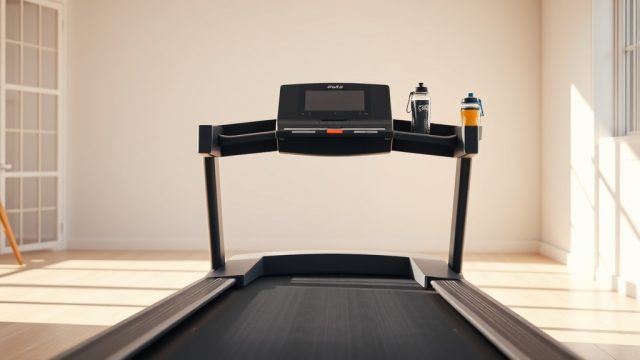
The Sole F85 Treadmill is a popular home fitness machine known for its sturdy build and powerful motor. However, like any high-use equipment, its rollers can wear out over time, leading to performance issues. This article details signs of roller wear and provides DIY replacement steps to keep your Sole F85 running smoothly.
How Do I Know If the Rollers on My Sole F85 Treadmill Are Worn?
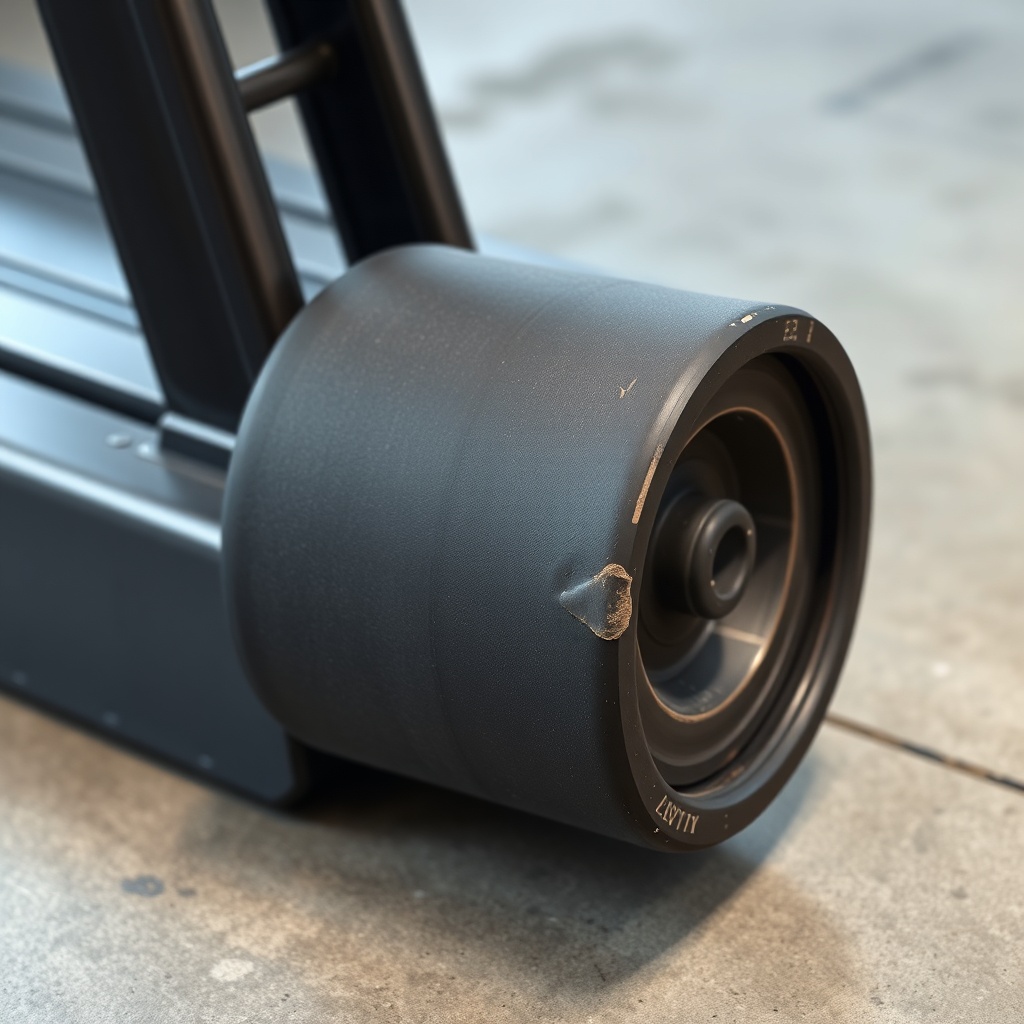
Roller wear in the Sole F85 typically shows through specific symptoms. The most common sign is a noticeable vibration or thumping sensation under your feet during use. This often indicates the roller surface has become uneven, worn flat, or developed a flat spot from prolonged belt friction. Another key indicator is a persistent squeaking or grinding noise coming from the front or rear of the deck, especially when the belt is turning without a load. You might also notice the running belt drifting to one side, even after adjusting tension, because uneven rollers create inconsistent belt tracking. In advanced cases, the belt may slip or hesitate on start-up, suggesting the roller’s gripping surface has degraded. If you observe any of these issues, it’s wise to inspect the rollers promptly. For related performance concerns, check our guide on Sole F85 Treadmill Common Error Codes: Meaning and Fixes to rule out electrical or sensor problems.
What Are the Risks of Using Worn Rollers?
Using worn rollers on a Sole F85 can lead to several problems beyond simple discomfort. First, uneven rollers place additional stress on the running belt, accelerating its wear and potentially causing fraying or delamination. This can turn a simple roller replacement into a more costly belt and roller repair. Second, vibrations from damaged rollers can loosen deck bolts, misalign the motor, or damage the motor controller’s bearings over time. Third, excessive friction from a slipping belt increases heat buildup inside the machine, which can degrade the motor’s insulation and shorten its lifespan. Finally, poor belt tracking due to worn rollers poses a safety hazard, as the belt can suddenly shift or bunch up, increasing the risk of tripping or falling. Addressing roller wear early prevents these cascading issues. For complete belt care, read our article on Sole F85 Treadmill Running Belt Replacement: Wear Signs and DIY Steps.
What Tools Do I Need for Roller Replacement?
Replacing the rollers on a Sole F85 requires a few essential tools. Below is a comparison table of necessary items with typical costs in USD.
| Tool | Purpose | Typical Cost (USD) |
|---|---|---|
| Allen wrench set (metric, 5mm & 6mm) | Loosening roller mounting bolts | $8–$15 |
| Torque wrench (ft-lb) | Properly tighten bolts to spec | $30–$60 |
| Flathead screwdriver | Prying belt off roller edges | $5–$10 |
| Ratchet and socket set (10mm, 13mm) | Removing side covers and motor hood | $20–$40 |
| Tension gauge (optional but recommended) | Setting belt tension precisely | $15–$25 |
| Replacement rollers (front & rear) | Direct OEM replacement parts | $80–$160 per set |
If you lack a tension gauge, you can use the manual “deflection method” by pressing the belt center with moderate force. Always confirm your Sole F85 model number (e.g., 2023 or 2024 version) before ordering replacement parts, as roller dimensions may vary slightly.
Can I Replace the Rollers Myself, and How Do I Do It?
Yes, DIY roller replacement on a Sole F85 is manageable for someone with basic mechanical skills, but it takes careful steps. Begin by unplugging the treadmill completely. Remove the motor hood and side covers using a Phillips screwdriver. Next, loosen the rear roller adjustment bolts (usually two on each side) with a 5mm Allen wrench until the belt can slide freely. Disconnect the running belt by lifting it off the rear roller surface. For the front roller, you may need to disconnect the motor’s drive belt (if present on older models) or the wiring harness for the incline motor.
To extract the front roller, remove the two mounting bolts on each side of the frame. Slide the roller out from the drive belt side. The rear roller detaches similarly after removing its bolts. Inspect the roller’s shaft for wear or bends. Once removed, align the new front roller into position, ensuring the drive belt sits centered in its groove. Tighten the mounting bolts to 25–30 ft-lb using a torque wrench. Then, reinstall the rear roller, but do not fully tighten yet. Loop the running belt over both rollers, aligning the belt’s center seam with the deck center. Tension the belt by turning the rear adjustment bolts equally—aim for about 2–3 inches of belt lift in the center when you press down firmly. Check belt tracking by hand-rotating the belt; adjust if it drifts. Reattach all covers and plug the treadmill in. Run it at low speed (1–2 mph) for 10 minutes without a load to seat the new rollers. If you encounter error messages during reassembly, refer to Sole F85 Treadmill Common Error Codes: Meaning and Fixes.
What Do Owners Say About Roller Replacement on the Sole F85?
User experiences with Sole F85 roller replacements are generally positive but highlight key points. Many owners appreciate the straightforward bolt-on design, noting that front and rear rollers are identical in the latest models, which simplifies ordering. Frequent comments emphasize the importance of tightening rear bolts evenly to avoid belt misalignment; one user reported that an uneven torque caused the belt to fray within 20 miles. Several owners mention that the factory rollers are made from a reinforced rubber compound that lasts about 800–1,000 miles for light jogging users, but heavy runners may see wear at 500 miles. A common praise is that replacing only the rollers restored smoothness without needing a new belt, saving around $150. However, a proportion of owners advise that if the belt shows edge wear, Sole F85 Treadmill Running Belt Replacement: Wear Signs and DIY Steps should be done simultaneously. Many also note that adding a silicone lubricant every three months reduces roller wear significantly. Overall, the sentiment is that this is a feasible DIY job with moderate difficulty, but first-timers should allocate two to three hours.
Frequently Asked Questions
Q1: How often should I replace the rollers on my Sole F85 treadmill?
A: Roller lifespan varies by usage. For average home use (3–5 hours per week), replace every 1.5 to 2 years or after 800–1,000 miles. Heavy running (over 10 miles/day) may require annual replacement.
Q2: Can I use aftermarket rollers instead of OEM Sole parts?
A: It is highly recommended to use genuine Sole replacement rollers to ensure correct shaft diameter and durometer. Aftermarket rollers may cause uneven belt tracking or noise. OEM rollers typically cost $80–$160 per set.
Q3: Do I need to replace the running belt when replacing rollers?
A: Not always. If the belt is in good condition (no fraying, cracks, or significant wear), you can reuse it. But if the belt has more than 500–700 miles or shows edge wear, Sole F85 Treadmill Running Belt Replacement: Wear Signs and DIY Steps should be done together for optimal performance.
Q4: What should I do if the new rollers still make noise after installation?
A: First, check that all bolts are torqued to spec (25–30 ft-lb). Then verify the belt tension is correct—over-tightening can cause noise. If noise persists, inspect the motor bearings or drive belt; sometimes noise transfers from other components. For heart rate or display issues, see Sole F85 Treadmill Heart Rate Monitor Issues: Common Problems and Fixes.
Q5: How do I lubricate the rollers after replacement?
A: Use only 100% silicone lubricant designed for treadmill belts. Apply a thin line along the center of the deck under the belt. Run the treadmill at 2 mph for 2–3 minutes. Do not use WD-40 or petroleum-based lubricants, as they attract dust and wear rollers faster.
Q6: Is it worth replacing rollers on an older Sole F85 (2018 or earlier)?
A: If the treadmill’s motor and frame are in good condition, roller replacement can extend its life by 2–3 years. However, if the incline motor or console has electrical issues, consider the cost of repairs versus a new unit. For additional comfort insights, read Sole F85 Treadmill Cushion Flex Whisper Tech: Cushioning Features and Impact Reduction to see if your deck cushioning is still effective.