Peloton Bike+ Magnetic Resistance vs Friction Brake: Which Is Better?
When comparing the Peloton Bike+ to older stationary bike designs, one of the most debated topics among fitness enthusiasts is the resistance mechanism. The Peloton Bike+ uses a sophisticated magnetic resistance system, while many traditional spin bikes rely on friction brakes. This article breaks down the performance, maintenance, and real-world implications of each system, helping riders decide which technology best supports their indoor cycling goals. Understanding these differences is crucial for anyone investing in a premium stationary bike.
How Does Magnetic Resistance Work on the Peloton Bike+?
The Peloton Bike+ employs an electromagnetic resistance system that uses a magnetic field to create drag against the flywheel. Unlike friction brakes, there is no physical contact between the resistance mechanism and the flywheel. Instead, the system adjusts the magnetic field strength based on rider input or programmed workouts. This allows for precise resistance changes measured in watts, rather than arbitrary tension levels. The bike’s computer can automatically adjust resistance during classes, enabling seamless transitions between climbs and sprints. Because there is no pad wearing against metal, the system operates silently and consistently, even after thousands of kilometres.
What Are the Key Differences Between Magnetic and Friction Brakes for Performance?
Performance differences between magnetic resistance and friction brakes are significant, especially for dedicated indoor cyclists. The table below highlights the most critical distinctions.
| Feature | Peloton Bike+ (Magnetic) | Traditional Friction Brake Bike |
|---|---|---|
| Resistance Adjustment | Digital, instantaneous, measured in watts | Manual, cable-operated, tension knob |
| Noise Level | Near silent | Moderate to loud (pad on flywheel) |
| Maintenance Frequency | Minimal; no pad replacement | Regular pad replacement (every 6–12 months) |
| Consistency | Zero degradation over time | Degrades as pads wear |
| Weight and Power Accuracy | Factory calibrated, very high | Often inaccurate, drifts with wear |
| Emergency Stop | Software-controlled quick stop | Mechanical lever, can be abrupt |
Magnetic resistance excels in precision, quiet operation, and low maintenance. Friction brakes, while cheaper to manufacture, suffer from wear and inconsistent resistance. For riders who rely on accurate power data for training, the Peloton Bike+ magnetic system is clearly superior.
Does Magnetic Resistance Wear Out Like Friction Brakes?
One of the most compelling advantages of the Peloton Bike+ magnetic resistance system is its longevity. Friction brake pads compress and wear down over time, gradually reducing resistance capability. Riders often notice that after hundreds of hours, the brake pads need replacement, which involves disassembling parts of the bike and recalibrating the tension (see our guide on brake pad replacement). In contrast, magnetic resistance has no consumable parts. The electromagnetic coils do not degrade with use, and the flywheel never makes contact. Provided the electronics remain functional, the resistance system can last the lifetime of the bike. Some users report consistent performance even after 5,000+ hours of riding. The only potential failure is a rare electronics issue, which Peloton covers under warranty. For riders who want a bike that requires minimal upkeep, magnetic resistance is a clear winner.
How Does Magnetic Resistance Affect the Riding Experience?
The riding experience on a Peloton Bike+ is drastically different from a friction brake bike. With magnetic resistance, resistance changes are fluid and immediate, allowing riders to maintain cadence without a sudden drag spike. This is particularly beneficial for interval training and simulated outdoor climbs, where smooth transitions are essential. Because the system is near silent, riders can hear coaching cues, music, or podcasts without needing headphones, which can be jarring on noisy friction brake bikes. The Peloton Bike+ also offers auto-resistance during live and on-demand classes, a feature impossible with manual friction brakes. This automation mimics a real cycling experience where terrain changes automatically, increasing engagement and reducing distraction. Additionally, the bike’s handlebar adjustment (optimize your riding position here) complements the resistance system for a comfortable, performance-oriented fit.
What Are the Common Issues with Peloton Bike+ Magnetic Resistance?
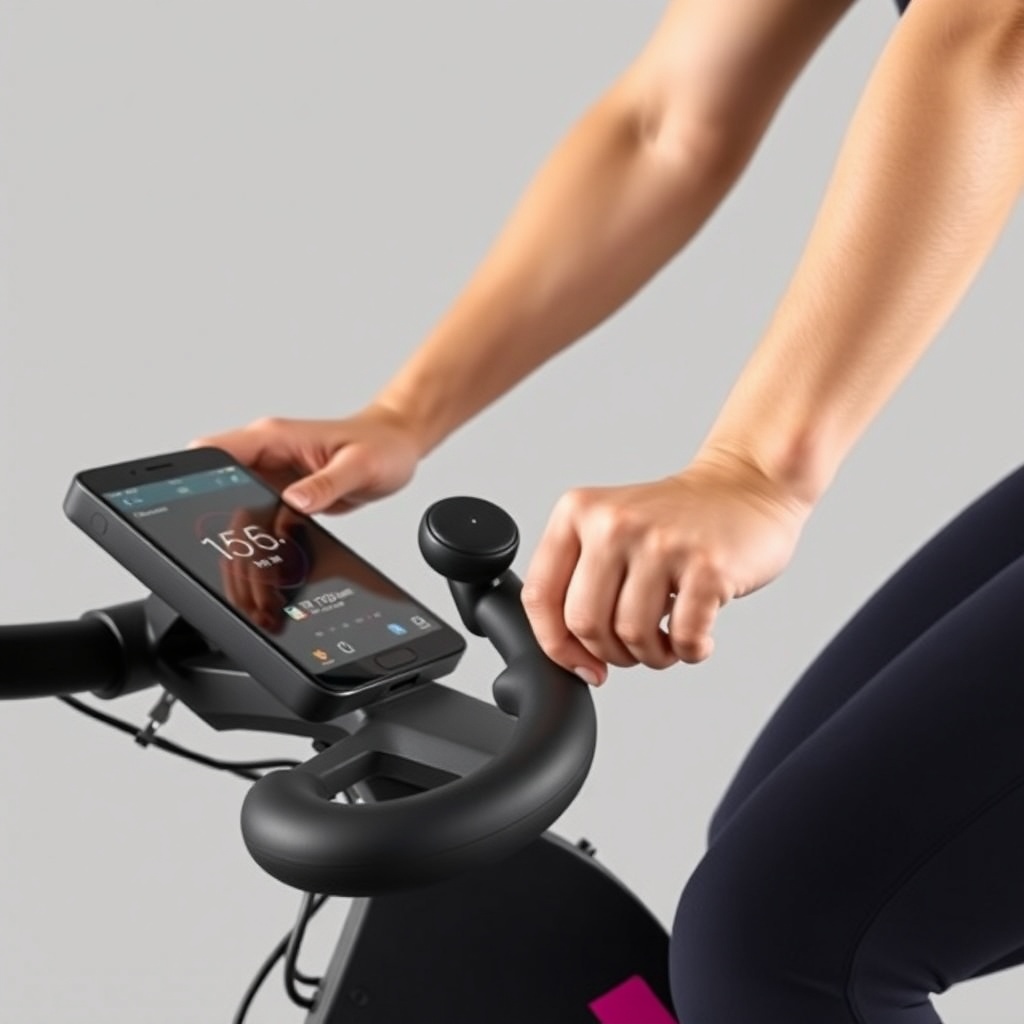
While magnetic resistance is highly reliable, it is not entirely problem-free. Some users report issues with the touchscreen interface that controls resistance settings. If the screen freezes or becomes unresponsive, resistance adjustments may be delayed (find fixes for touchscreen glitches). Another potential issue involves audio feedback; since the bike is quiet, any sound system issues become more noticeable. Furthermore, the bike’s reliance on Wi-Fi for automatic resistance means Wi-Fi connectivity problems can interrupt the class experience. In rare cases, the display may flicker, affecting visibility (troubleshoot screen flickering here). However, these issues are electronic and not inherent to the resistance mechanism itself. Magnetic resistance remains mechanically robust, with no moving parts that grind down. For most riders, these occasional tech glitches are minor compared to the consistent performance of the magnetic system.
What Do Owners Say About Peloton Bike+ Resistance Compared to Friction Brakes?
Owner feedback overwhelmingly favours the Peloton Bike+ magnetic resistance for its smoothness and reliability. Many riders who upgraded from friction brake bikes report that they no longer feel the “judder” or vibration common with worn pads. Long-time users often comment that the bike feels like new after years of use, whereas their previous friction brake bikes required constant tuning. One experienced indoor cyclist noted, “The Peloton Bike+ resistance is so consistent that I trust my power numbers for training. On my old friction bike, the tension always drifted mid-ride.” Another owner appreciated the silence, saying, “I can ride at 5 a.m. without waking my family, which was impossible with my old bike’s squeaky brake pad.” However, a few owners mention that the magnetic system feels less “organic” than friction brakes, lacking the tactile feedback of a physical drag. Overall, for performance-focused riders, the Peloton Bike+ earns high marks for precision and durability, though those who prefer the raw feel of a spin bike may initially miss the friction brake’s direct engagement.
Frequently Asked Questions
Does the Peloton Bike+ have a physical brake lever for emergency stops?
Yes, the Peloton Bike+ includes a red emergency stop lever that operates a software-controlled magnetic brake. It is not a mechanical friction brake, but it can stop the flywheel quickly. Some riders find it less satisfying than a physical friction brake but it is equally effective.
Can I convert a Peloton Bike+ from magnetic resistance to friction?
No, the frame and electronics are designed exclusively for magnetic resistance. Converting would require extensive modifications and is not recommended. If you prefer friction brakes, consider a different bike model.
How often do I need to service the magnetic resistance system on a Peloton Bike+?
Peloton recommends no regular service for the resistance mechanism itself. The system is sealed and requires no lubrication or pad replacement. However, the bike’s computer and display should be updated and cleaned periodically.
Does magnetic resistance affect the accuracy of the Peloton’s power meter?
Yes, in a positive way. Magnetic resistance allows for precise power measurement because there is no friction-induced fluctuation. Peloton calibrates each bike at the factory, and power readings remain accurate for the life of the bike.
Is the Peloton Bike+ magnetic resistance suitable for heavy training?
Absolutely. The electromagnetic system can generate very high resistance levels, suitable for professional and recreational training alike. It can simulate steep climbs and sprints with equal fidelity.
What should I do if my Peloton Bike+ resistance feels weaker over time?
First, check for software updates and reboot the bike. If the issue persists, inspect the screen for screen flickering or Wi-Fi connectivity problems that might interfere with resistance control. If everything appears normal, contact Peloton support for a potential calibration or electronics check.